
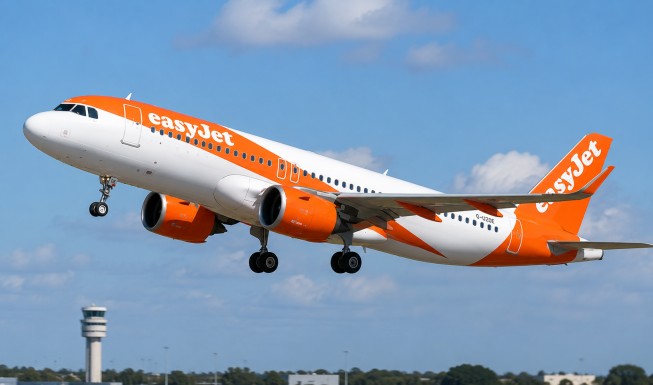
In the face of elevated fuel expenses and shifting customer booking behaviors, low-cost carrier easyJet has experienced a significant dip in its financial results for the April to June period. The airline reported a 70% tumble in pre-tax profit, recording £85 million, a stark drop from the £286 million it achieved during the same quarter the previous year. This downturn is largely attributed to a £105 million increase in fuel costs, driven by rising energy prices amid ongoing tensions in the Middle East.
Despite these challenges, easyJet observes a positive trend as travelers are beginning to book flights closer to their travel dates, with demand showing signs of recovery ahead of the bustling summer travel season. The airline’s future earnings will heavily rely on how these booking patterns evolve and the unpredictability of fuel prices. The airline’s management remains focused on navigating these variables as it eyes the remainder of the financial year.
Adding another layer of complexity to its current situation, easyJet finds itself at the center of acquisition interest from two U.S.-based investment firms. The airline’s board has expressed a preference for a £5.7 billion bid from Apollo Global Management, considering it over a previous offer from Castlelake. However, this potential acquisition is not without its hurdles, as it could come under scrutiny from the European Union concerning foreign ownership regulations in the aviation sector.
Interestingly, despite the recent decline in earnings, easyJet’s stock saw an uptick in the early trading hours. This rise indicates that investors are still evaluating the airline’s prospects for long-term growth, taking into account the unfolding takeover conversations. The trajectory of easyJet’s financial health and strategic direction remains a focal point for stakeholders as they weigh the implications of current market dynamics and regulatory challenges.