
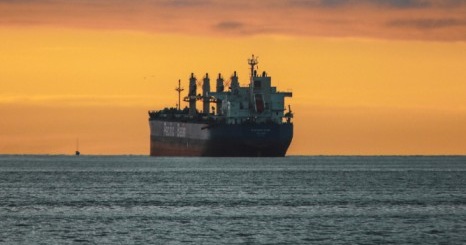
The Abu Dhabi National Oil Company (ADNOC) has directed its clients to recommence loading crude oil shipments from its key ports located on Das and Zirku islands in the Persian Gulf. This directive follows an improvement in regional conditions, notably after the recent agreement between the United States and Iran, which has led to the anticipation of uninterrupted maritime traffic through the critical Strait of Hormuz. ADNOC emphasized that crude oil has been ready for loading since April 27 and cautioned that any failure to collect the scheduled shipments may be deemed a breach of contractual agreements. To assist buyers experiencing shipping difficulties, ADNOC has also offered support through its tanker fleet or those of its affiliates.
This development marks a significant step for Gulf oil producers who are keen to return to normal export operations after recent disruptions in the area. ADNOC, renowned as one of the most active exporters in the region, has already successfully sold tens of millions of barrels through tenders. The resumption of shipments from their ports highlights their strategic role in the global oil market, ensuring a steady flow of energy resources to international buyers.
Beyond immediate measures, the United Arab Emirates is also taking long-term steps to enhance its energy export infrastructure. As part of efforts to minimize dependence on the Strait of Hormuz, the UAE is accelerating work on various infrastructure projects. Among these initiatives is the expansion of pipeline capacity to the port of Fujairah on the Gulf of Oman, a strategic move that facilitates increased crude exports bypassing the heavily trafficked Strait of Hormuz.
These developments underscore the region’s commitment to maintaining stable and reliable oil exports amidst geopolitical tensions. By fortifying alternative routes and ensuring the availability of crude shipments, ADNOC and the UAE are reinforcing their positions as pivotal players in the global energy supply chain, while also safeguarding against potential disruptions in one of the world’s most strategically significant maritime passages.