
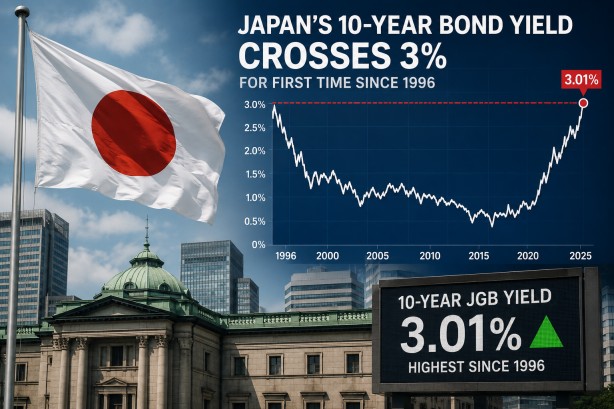
Japan’s financial landscape is witnessing a significant transformation as the yield on its 10-year government bonds surpasses 3% for the first time since 1996. This development is reshaping the domestic bond market and increasing the allure of Japanese fixed-income investments. As a result, Japanese investors are reevaluating their overseas bond portfolios, which could potentially reverse the long-standing trend of capital flowing out of Japan into global debt markets. Data indicates that through August 22, there has already been a net outflow of ¥3 trillion ($18.7 billion) from overseas debt.
The increased yields in Japan are rendering domestic bonds more attractive, especially as the costs associated with currency hedging diminish the benefits of foreign investments. This sentiment is echoed in a survey of 82 Japanese corporate pension funds, which revealed the highest net intention to boost domestic bond holdings since the survey’s inception in 2008. The implications of this shift are noteworthy on a global scale, given that Japanese investors have traditionally been major purchasers of U.S. Treasuries and other sovereign bonds. A prolonged reduction in their international bond acquisitions could trigger an upward trend in global bond yields and borrowing expenses.
The upward trajectory of Japanese bond yields is fueled by concerns over inflation, potential increases in interest rates by the Bank of Japan, and unease about the country’s fiscal health. Although these factors are driving changes in investment strategies, experts suggest that this may not lead to a swift exodus from international markets. Instead, it is likely to be a gradual transition towards reallocating assets domestically.
For years, Japanese capital has been a staple in the global bond market, but the current financial climate is prompting a reevaluation. As Japanese yields become more competitive, investors are finding renewed interest in local opportunities. This reconsideration of investment strategies is poised to have a ripple effect across international financial markets, potentially altering dynamics that have been in place for decades.