
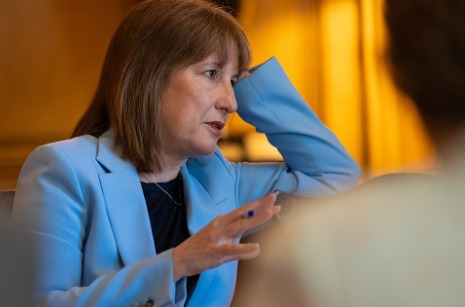
UK Chancellor Rachel Reeves has cautioned that British households should prepare for a renewed surge in inflation as the conflict between the US and Iran escalates. While the government has yet to announce a formal relief package, Reeves emphasized that a “rapid de-escalation” of hostilities remains the most effective way to stabilize global energy markets. The warning comes as oil prices showed extreme volatility, briefly crossing the $100 per barrel threshold before retreating slightly following diplomatic signals from the United States.
The current geopolitical instability centers on the Strait of Hormuz, a critical maritime artery responsible for the transit of roughly 20% of the world’s liquefied natural gas. With Iran threatening to restrict safe passage in response to US and Israeli airstrikes, the UK’s heavy reliance on imported gas makes its economy particularly sensitive to supply chain disruptions. This tension follows the appointment of Mojtaba Khamenei as Iran’s new supreme leader, marking a significant shift in the region’s political landscape.
In response to the crisis, the Bank of England is expected to maintain current interest rates through 2026, signaling a halt to previously anticipated cuts. Chancellor Reeves has also instructed competition regulators to monitor fuel stations and heating oil suppliers to prevent “wartime profiteering” as prices fluctuate. Despite the pressure, the Treasury remains firm on a planned 5p increase in fuel duty scheduled for September, a move that has drawn sharp criticism from the opposition.
The impact is being felt most acutely in rural areas where approximately 1.5 million homes are not connected to the national gas grid. Without the protection of the Ofgem energy price cap, these households have reported spikes in heating oil costs of over 100% in just a few days. Labour MPs representing these districts are now calling for a dedicated rural energy strategy to prevent a spike in localized poverty as the war continues.
Looking ahead, the UK government is coordinating with G7 partners to potentially release collective oil reserves to dampen price shocks. Prime Minister Keir Starmer has indicated that while the system is more resilient than it was during the initial Russia-Ukraine crisis, the government stands ready to intervene if the conflict becomes prolonged. For now, the focus remains on diplomatic pressure and rigorous market oversight to shield consumers from the worst of the economic fallout.