
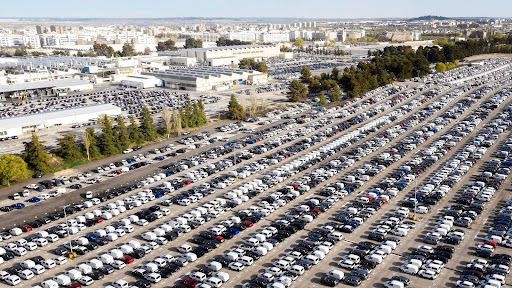
China has officially transitioned from a high-volume exporter to a global manufacturing powerhouse, marking a significant shift in the international automotive landscape. Last year, the nation maintained its status as the world’s top vehicle exporter for the third consecutive year, shipping over 7 million units. This growth is increasingly driven by a move toward building cars directly within the markets where they are sold.
The surge is largely fueled by New Energy Vehicles (NEVs), which saw export numbers double over the past year. Industry data reveals that NEVs now represent more than 37% of total vehicle exports from China. While domestic brands like BYD and Chery lead the charge, global giants including Tesla and Ford are also utilizing Chinese production lines for their international supply chains.
The China Association of Automobile Manufacturers (CAAM) predicts that vehicle exports will climb to 7.4 million units in the coming year. This trajectory is supported by a deeper integration of localized supply chains and overseas research centers. By establishing roots in Europe, Southeast Asia, and South America, Chinese firms are moving beyond simple trade toward full-scale industrial cooperation.
Experts suggest that going global is no longer a choice but a structural requirement for survival. With the domestic Chinese market reaching a massive 34 million units, long-term growth at home is expected to flatten to around 1%. To maintain momentum, companies must successfully compete on a global stage by replicating the localized success of legacy giants like Toyota and Volkswagen.
The future of the industry will be defined by which players can best balance their domestic operations with a robust international presence. As production capacity is rebalanced globally, the focus shifts toward service networks and localized R&D. This evolution marks the beginning of a new era where “Made in China” becomes “Built Locally” across the globe.