
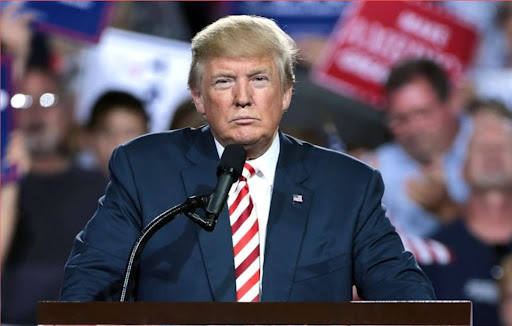
President Donald Trump has declared his “absolute right” to levy import duties, standing firm after the U.S. Supreme Court struck down several of his administration’s key trade measures. In a 6-3 decision in late February 2026, the Court ruled that the International Emergency Economic Powers Act (IEEPA) of 1977 does not grant the executive branch the power to impose tariffs under the guise of national emergencies. This landmark ruling effectively invalidated the sweeping “Liberation Day” duties introduced in early 2025.
The legal setback stems from a fundamental dispute over constitutional authority. Chief Justice John Roberts noted in the majority opinion that the power to tax and set tariffs resides with Congress, and that the 1977 law was intended for freezing assets or sanctions rather than trade regulation. In response, the White House has scrambled to find alternative legal pathways, including the use of Section 122 of the 1974 Trade Act to maintain economic pressure on global partners.
To bridge the gap left by the ruling, Trump recently implemented a temporary 10% global tariff, which is currently slated to expire on July 24, 2026. While this measure is legally restricted to a 150-day window, the President has publicly considered raising the rate to 15%. Simultaneously, the Office of the U.S. Trade Representative has launched new investigations under Section 301, targeting industrial overcapacity in 60 economies to justify more permanent duties.
The timing of this trade volatility is critical as Washington enters high-stakes diplomatic rounds. U.S. officials are scheduled to begin formal USMCA review talks with Mexico on March 16, while a summit between Trump and Chinese President Xi Jinping is expected in Beijing at the end of the month. These meetings are viewed as essential for stabilizing global supply chains that have been rattled by the administration’s shifting protectionist policies.
Beyond traditional trade partners, the President is also using economic leverage to influence military cooperation. Recently, Trump threatened Spain with a potential trade embargo after Prime Minister Pedro Sánchez refused to allow U.S. forces to use Spanish military bases for strikes against Iran. This intersection of trade and defense policy highlights the administration’s continued reliance on tariffs as a primary tool for both domestic and international objectives.