
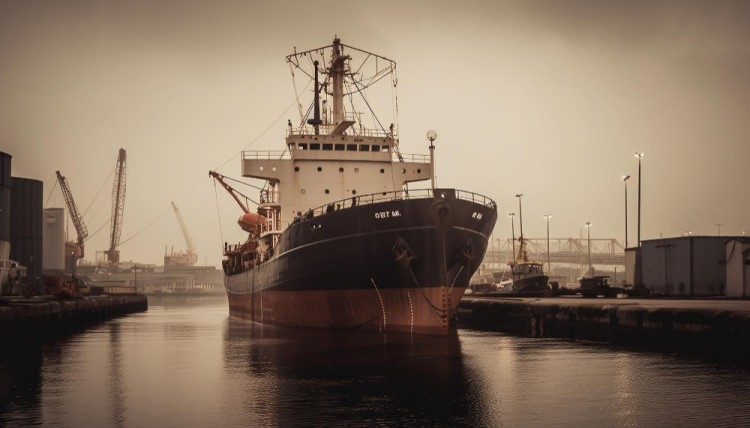
Despite a recent agreement between the United States and Iran, the Strait of Hormuz remains a challenging passage for commercial shipping. Maritime industry experts emphasize that normal operations cannot be fully restored until the removal of numerous naval mines is completed. Approximately 80 mines are still present in the main shipping channel, posing significant hazards for vessels, as reported by the international tanker owners’ association.
While some ships have cautiously begun using an alternate, narrower path near the Omani coast, this route raises concerns about potential groundings and maritime accidents. The alternative path does not adequately alleviate the risks associated with navigating through the crucial waterway, as industry specialists highlight the dangers posed by these conditions.
The backlog of hundreds of vessels in the Gulf continues to grow, suffering from months of disrupted operations. This congestion may take weeks or even months to resolve, significantly impacting global supply chains and energy markets. The maritime industry is also battling with reports of electronic signal interference that occurred during the conflict, which disrupted navigation systems and increased the likelihood of accidents in this heavily trafficked corridor.
As one of the world’s key energy transit routes, the Strait of Hormuz plays a critical role in the transportation of a substantial portion of global oil exports. Any ongoing disturbances in this area could have a profound effect on shipping costs and energy markets worldwide. Moreover, industry leaders voice their apprehension regarding Iran’s intention to implement transit fees for commercial vessels once a toll-free period concludes. They argue that charging for passage through these international waters would contravene established maritime law and potentially set a troubling precedent for other strategic shipping lanes around the globe.