
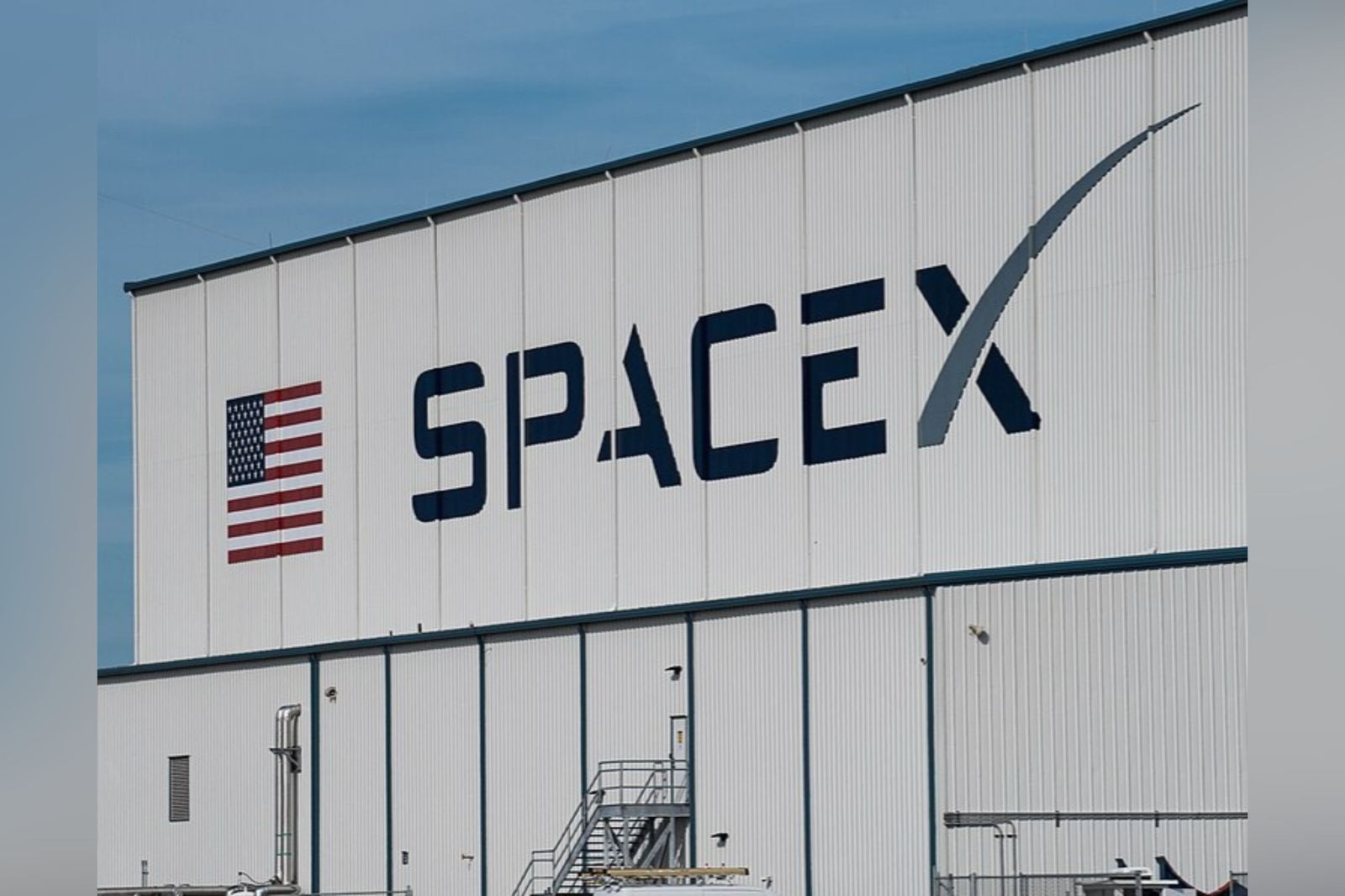
Elon Musk’s aerospace giant, SpaceX, is reportedly preparing for a monumental initial public offering that could shatter global records. Internal discussions suggest the company is leaning toward a Nasdaq listing, seeking a staggering valuation of approximately $1.75 trillion. This move would instantly position the rocket manufacturer as the sixth-largest publicly traded entity in the United States.
The potential transition from a private powerhouse to a public titan comes after years of speculation regarding the company’s financial trajectory. SpaceX has dominated the private space sector through its reusable rocket technology and the expansion of the Starlink satellite constellation. Analysts believe the timing of this IPO reflects the company’s need for massive capital to fund its ambitious Mars exploration goals.
A critical component of the deal involves SpaceX’s desire for early inclusion in the Nasdaq 100 index. Sources indicate that Musk’s team is making this a primary condition for choosing the tech-heavy exchange over its competitors. The move would bypass traditional waiting periods, allowing the stock to gain immediate exposure to major institutional portfolios.
The impact of such a listing would be felt across the entire financial landscape, potentially shifting the balance of the tech-heavy Nasdaq. By joining the ranks of Apple and Nvidia, SpaceX would solidify the “space economy” as a primary pillar of the U.S. stock market. Institutional investors are expected to pivot heavily toward the aerospace sector if the deal closes.
While the New York Stock Exchange remains in the running, the Nasdaq’s proposed “fast-entry” rules make it the current front-runner. These regulatory shifts are designed specifically to attract high-value firms like OpenAI and SpaceX. If the June timeline holds, the financial world is about to witness the largest market entry in history.